Our Approach to Writing
Our writing curriculum is informed by evidence-based practice, including principles from The Writing Revolution. We teach writing through a carefully sequenced approach that prioritises:
- explicit modelling
- sentence-level accuracy
- structured talk
- responsive feedback
- gradual independence
Children develop both transcription (spelling and handwriting) and composition (articulating ideas and structuring them in speech and writing). A wide range of writing purposes are sequenced across the curriculum, including narrative, informative and persuasive writing, so that pupils build confidence in different genres over time.
Writing units typically span two weeks, with a purposeful outcome each week. This allows children to practise, receive feedback and refine their writing through responsive teaching.
Our Writing Cycle
Our structured writing cycle ensures children are explicitly taught how to generate ideas, plan, draft, edit and improve their writing.
Across each unit, pupils move through the following stages:
- Immersion and Idea Generation
Children explore the features of the genre through high-quality models, discussion, drama and reading. They gather vocabulary and rehearse ideas through structured talk. - Planning and Organisation
Teachers model planning approaches and children organise their ideas using visual planning tools such as story maps, sequencing and graphic organisers. - Sentence Construction and Drafting
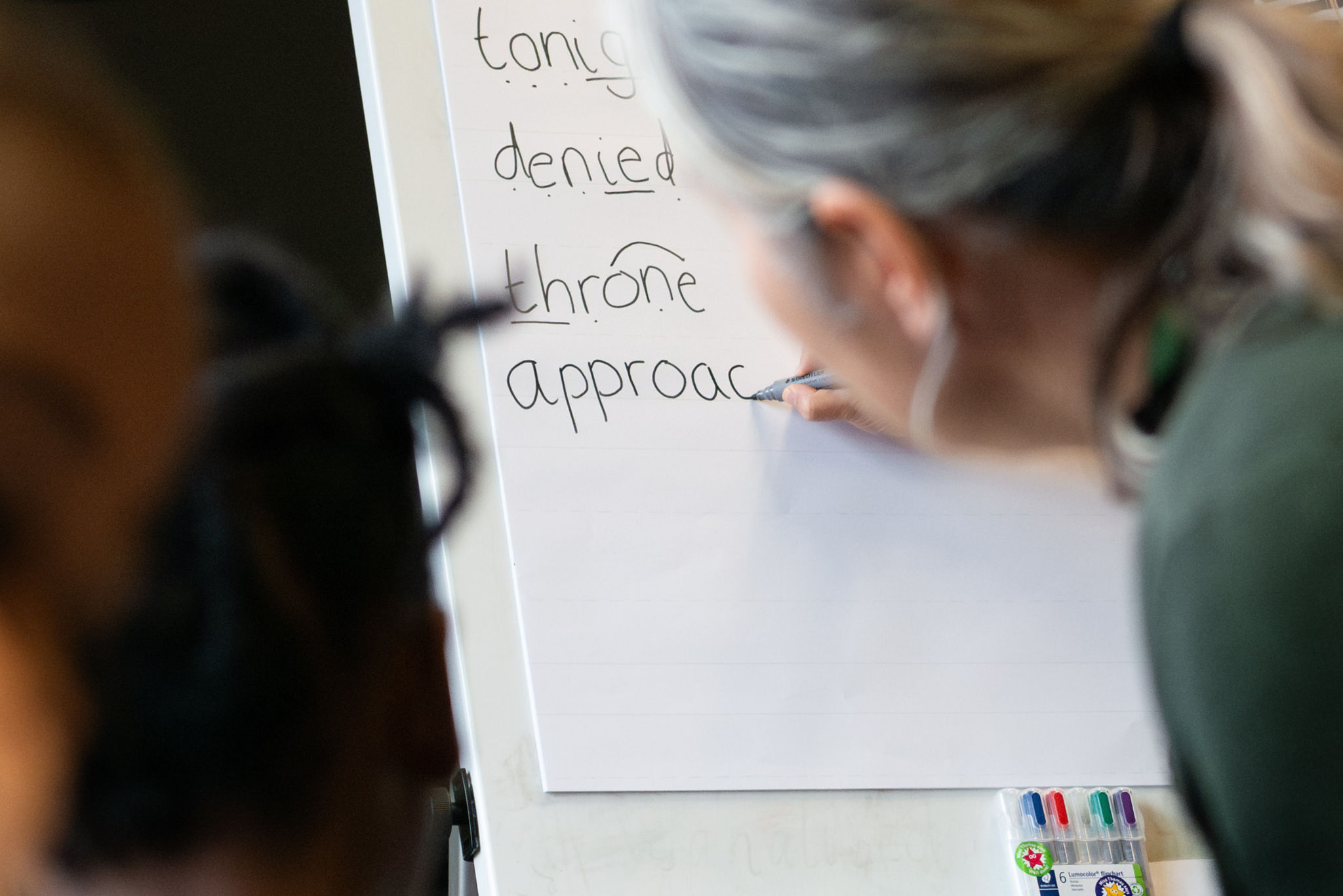
Using Writing Revolution principles, pupils practise building sentences orally and in writing before drafting extended pieces. Teachers provide clear models and shared writing opportunities so that pupils see the writing process in action. - Supported and Independent Writing
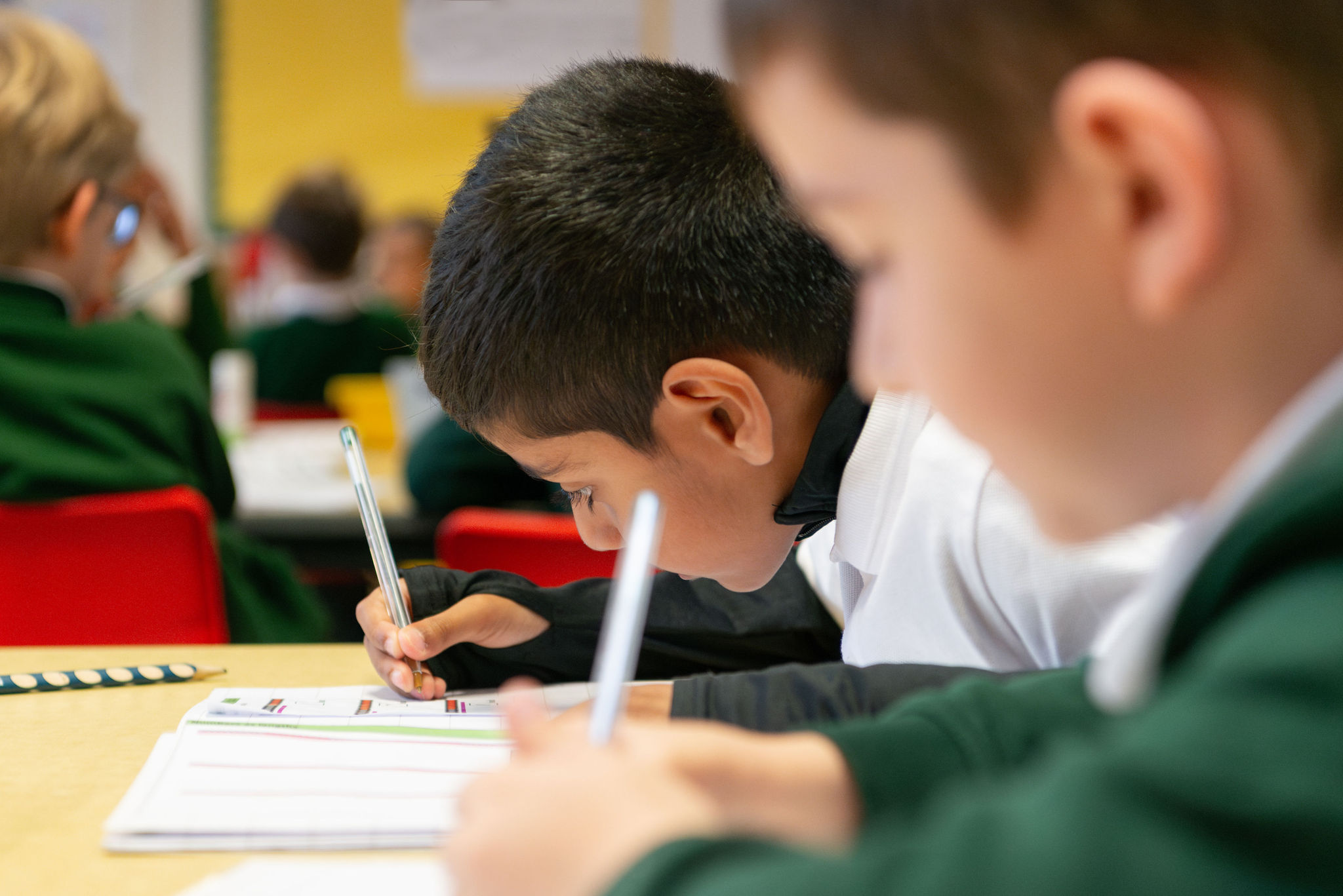
Children move from shared and guided writing towards increasing independence. Teachers respond to misconceptions in the moment and adapt support to ensure all pupils can succeed. - Evaluating, Editing and Improving
Pupils are taught how to evaluate their writing against success criteria, edit for clarity and improve specific targets. Proof-reading is explicitly modelled so that children develop independence and accuracy.
This cyclical process ensures that writing is taught as a craft that can be refined and improved over time.

The Role of Talk
We value oracy as a vital foundation for writing. Carefully structured talk supports children to rehearse ideas, experiment with vocabulary and internalise sentence structures before writing.
In Key Stage 1, we draw on aspects of Talk for Writing to develop storytelling and narrative skills. Across the school, discussion, oral rehearsal and collaborative sentence building are embedded within every writing unit.
Grammar, Punctuation and Spelling
Spelling, punctuation and grammar are taught both explicitly and in context so that children can apply these skills meaningfully in their writing. Carefully sequenced teaching ensures pupils build secure knowledge of grammatical features and learn to use them effectively across genres.
- In Key Stage 1, spelling is taught through our phonics programme, Read Write Inc.
- From Year 2, spelling is taught through the Read Write Inc. spelling programme.
Handwriting
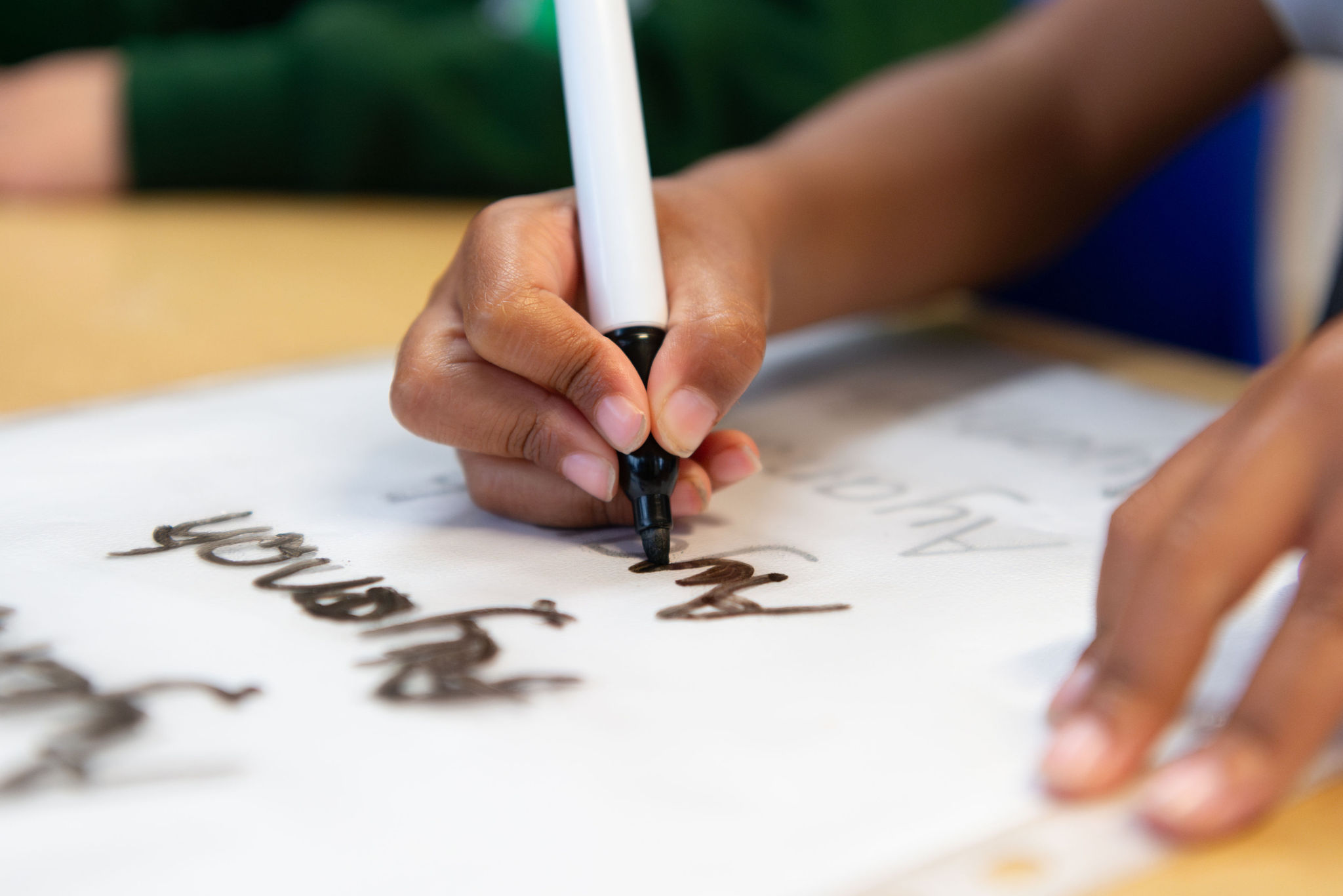
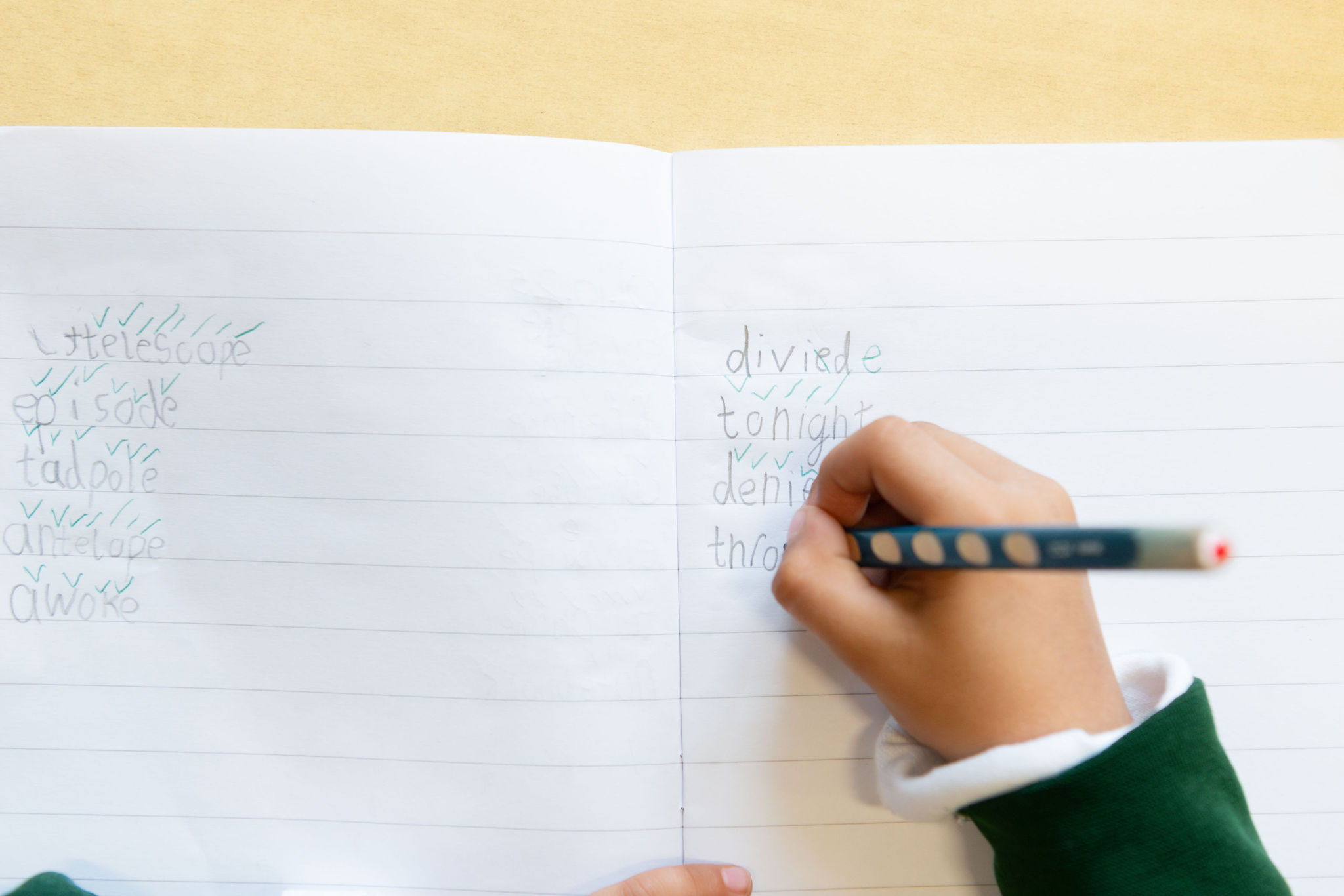
Fluent handwriting supports fluent composition. Handwriting is taught regularly through short, focused lessons alongside modelling across the curriculum.
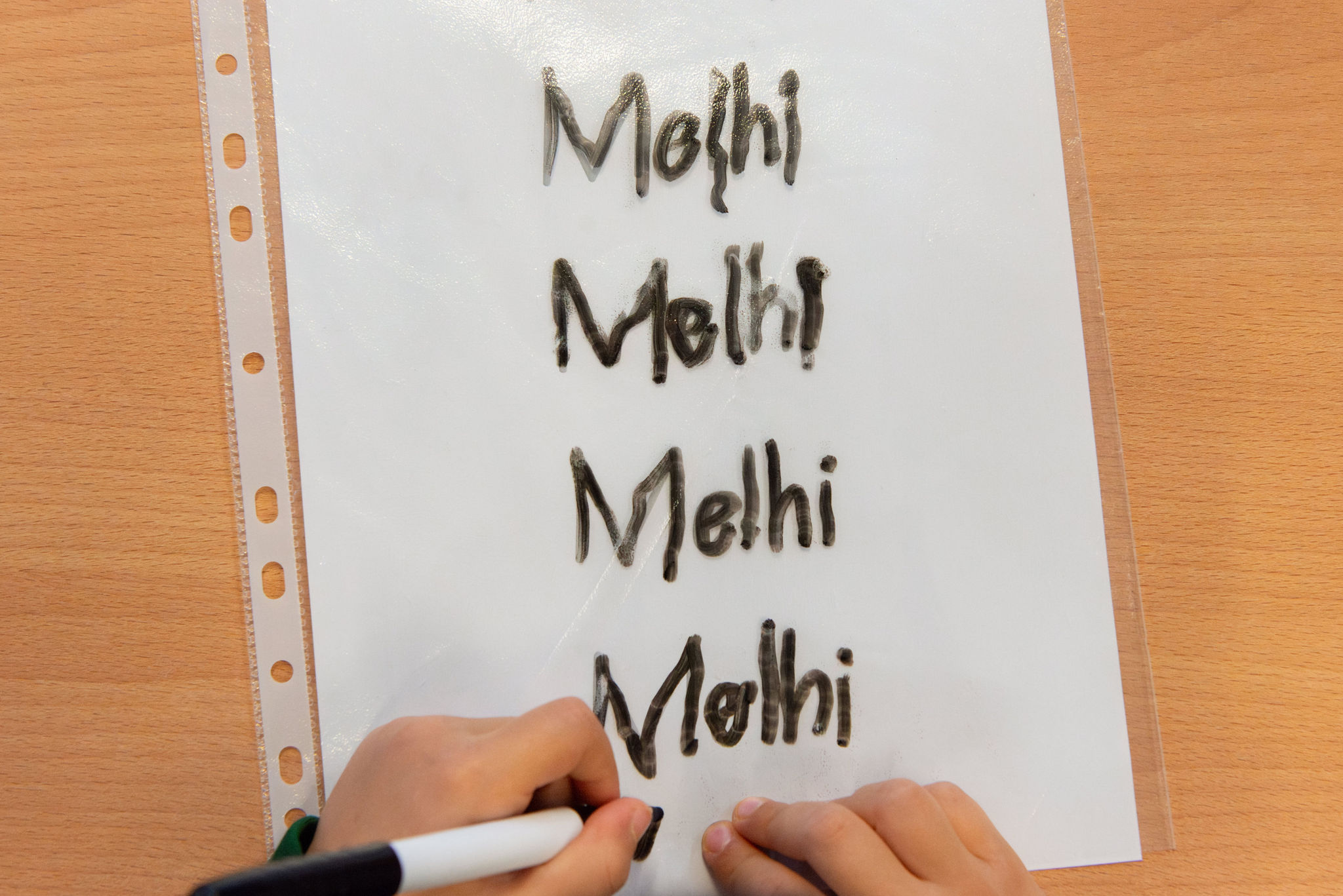
In the Early Years, children begin with mark-making and pattern formation to develop fine motor control. As letter formation becomes secure, pupils are introduced to continuous cursive script in Year 2. Teaching continues throughout Key Stages 1 and 2 with the aim of developing automatic, fluent handwriting so that pupils can focus fully on their ideas.
For more detailed information about writing learning in each year group, take a look at our writing subject overview here: